



International shipping rates have surged sharply since early May 2026, particularly on major trade routes linking Asia with North America and Europe, raising concerns for Vietnam’s seafood exporters, for whom logistics remains one of the largest cost components.
According to the Vietnam Association of Seafood Exporters and Producers (VASEP), freight rates began increasing in early May and accelerated further in the second half of June. Routes to the United States and Canada—two of Vietnam’s key seafood export markets—have recorded some of the steepest increases.
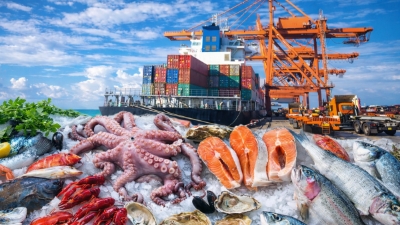
VASEP warned that the spike in shipping costs is placing significant pressure on exporters. The impact is especially severe for the seafood sector due to its reliance on cold-chain logistics. Products such as shrimp, pangasius, tuna, squid, octopus and processed seafood require strict temperature control throughout transportation. As a result, businesses are facing not only higher ocean freight charges but also rising costs related to refrigerated containers, cold storage, electricity consumption and various port surcharges.
Schedule disruptions and shipment delays further increase risks, potentially leading to customer complaints, commercial disputes and lost business opportunities, especially for exports to long-haul markets such as the United States, the European Union and Canada.
In response, VASEP has urged exporters to strengthen logistics management by booking cargo space early, closely monitoring shipping schedules and diversifying transport partners to reduce dependence on a single carrier or transshipment hub.
Industry experts said freight-rate trends in the coming months will largely depend on developments in the Middle East, the ability of shipping lines to restore normal schedules, and demand conditions in the US market following a period of early inventory stocking.






 Google translate