


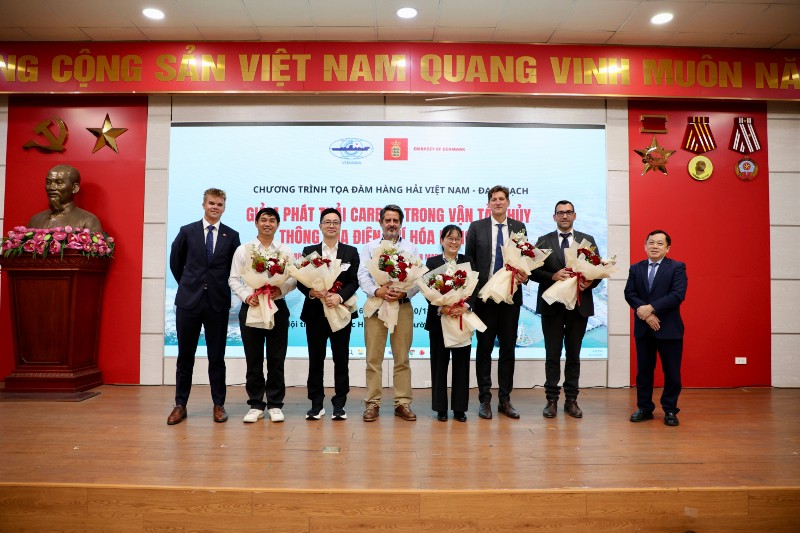
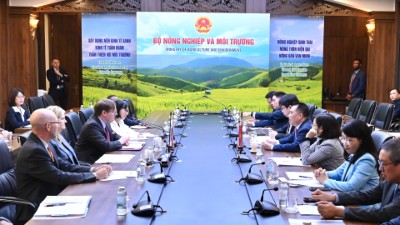
The Vietnam Maritime and Waterway Administration (VIMAWA), in coordination with the Embassy of Denmark in Vietnam, on November 10 organized the seminar “Decarbonizing Waterborne Transport through Maritime Electrification” to discuss and share experience on sustainable maritime shipping.
The seminar covered three main areas: strategy, the regulatory framework and practical needs; vessel architecture and smart control systems; and power conversion and shore charging infrastructure.
Speaking at the event, Dr. Hoang Hong Giang, VIMAWA Deputy Director General, said maritime and inland waterway transport plays an important role in Vietnam, as it connects economic regions, develops logistics and promotes trade. Alongside the need to expand transport capacity, he noted, reducing emissions and using energy efficiently are essential to developing the sector sustainably and to delivering Vietnam’s commitment to net-zero emissions by 2050.
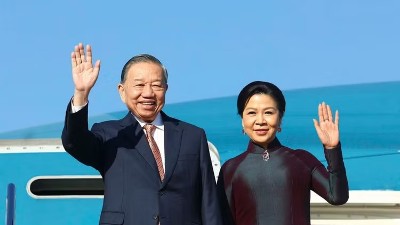
This seminar marks the 55th anniversary of the diplomatic relations between Vietnam and Denmark, and bears great significance, as the two countries upgraded their bilateral ties to a Comprehensive Strategic Partnership on October 20, 2026, during the state visit to Denmark by General Secretary and State President To Lam. Accordingly, both sides encouraged stronger maritime cooperation within the Green Strategic Partnership, including the development of green shipping and waterborne transport, port management and operation, logistics, shipbuilding, and emissions reduction in maritime activities.
"Today’s seminar is therefore a practical activity that helps put into effect the directions set by our top leaders,” Mr. Giang stressed.
Mr. Lasse Pedersen Hjortshøj, Trade Counsellor and Head of Economic and Trade Diplomacy at the Embassy of Denmark in Vietnam, said electrification is a way to reduce emissions from waterborne transport.
“Denmark has worked with this for many years. Today, several Danish ferry routes run on battery power, and many of our ports offer shore power so ships can switch off their engines at berth. We are glad to share that experience with Vietnam. Our experience also shows that the vessel is only one part of the solution. Electrification depends on the grid, charging infrastructure, clear standards, and a sound business case. Today’s programme covers all of these, from strategy and regulation to vessel design and charging infrastructure on shore.
"That is why it is valuable to have authorities, industry, and technology providers in the same room today. Progress requires all of them to work together,” Mr. Lasse emphasized.
Drawing on Denmark’s experience and strengths in maritime and energy technology, the seminar featured presentations on project results, lessons from organizing and operating electrified services, and ways Danish companies can mobilize resources. Input from Vietnamese agencies, associations and businesses also helped their Danish partners better understand local needs and conditions, so that both sides can identify suitable opportunities for cooperation.


 Google translate