


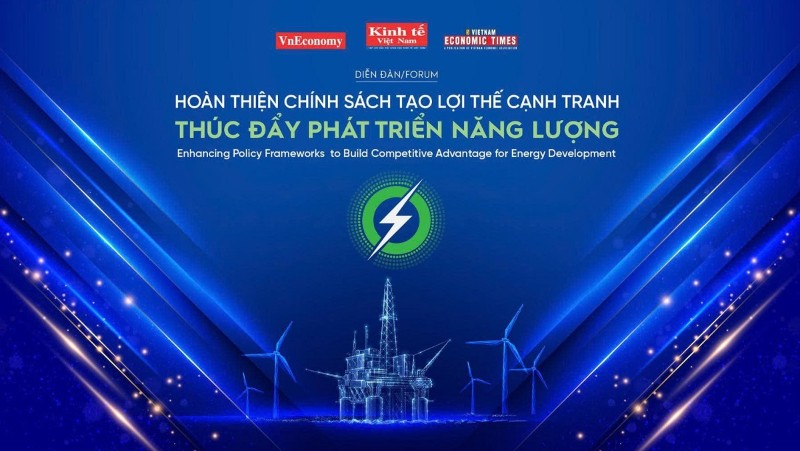
Tap chi Kinh te Viet Nam / Vietnam Economic Times / VnEconomy will host the “Perfecting Policies to Create Competitive Advantage and Promote Energy Development” forum on August 11 afternoon, at its BMC Convention Center, 11th Floor, V.E.T Building, 98 Hoang Quoc Viet, Hanoi.
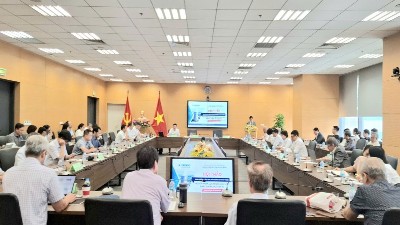
Positioned as a high-level dialogue, the forum will bring together representatives from various ministries, government agencies, and industry associations, alongside prestigious domestic and international energy enterprises and organizations.
It will also feature leading experts in legal frameworks, international finance, and the oil and gas sectors. By synthesizing recommendations and pioneering policy solutions, the forum aims to optimize resources and create momentum for Vietnam's energy industry to achieve breakthroughs in a new era.
The forum focuses on the following key areas:
First, updating the international context and emerging global development trends;
Second, forecasting energy demand during the new growth phase;
Third, identifying existing institutional and policy bottlenecks and obstacles;
Fourth, perfecting the legal framework to foster a competitive investment environment;
Fifth, policies for mobilizing resources for energy development; and
Sixth, addressing the urgent need for comprehensive policy improvements in the face of a changing global landscape.
In the new development phase, Vietnam aims to maintain a high economic growth rate, striving to build a larger-scale economy with higher competitiveness and to become a developed nation by 2045. To realize this goal, ensuring a stable, secure, sustainably developed, and competitively priced energy supply has become a critical prerequisite.
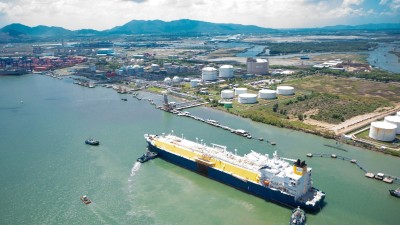
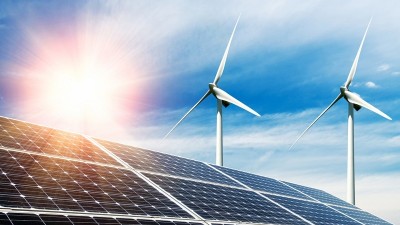
Globally, the energy industry is undergoing profound shifts driven by the global energy transition, geopolitical competition, energy price volatility, the demand for greenhouse gas emission reductions, and "Net Zero" targets. Many countries are accelerating investment in new energy sources—such as LNG, hydrogen, offshore wind, renewables, energy storage systems, and carbon capture and storage (CCS/CCUS) technologies—while simultaneously restructuring policies to enhance energy independence and competitiveness.
In Vietnam, energy demand is forecast to continue rising rapidly through 2030 and beyond, alongside the processes of industrialization, urbanization, digital transformation, and the development of new economic sectors. In particular, the growth of data centers, AI, digital infrastructure, and high-tech industries will surge the demand for electricity and primary energy, requiring synchronized preparation in terms of supply, infrastructure, and institutional frameworks.
However, the development of the energy sector still faces numerous difficulties and challenges. Traditional oil and gas resources are in decline; many energy projects are experiencing implementation delays; and the legal system, mechanisms, and policies remain inconsistent. Certain regulations have not kept pace with practical requirements and are currently undergoing further research and revision.
Notably, mobilizing investment resources for energy projects—especially large-scale ventures, renewable energy, LNG, hydrogen, and transmission infrastructure—still faces many obstacles regarding financial mechanisms, investment procedures, and legal corridors.
Against this backdrop, the continued review and perfection of the policy system, the removal of institutional bottlenecks, and the creation of a transparent, stable, and highly competitive investment environment are considered vital conditions. These steps are essential to ensuring national energy security, attracting investment resources, and driving the development of the energy sector toward a modern, green, and sustainable future.


 Google translate