


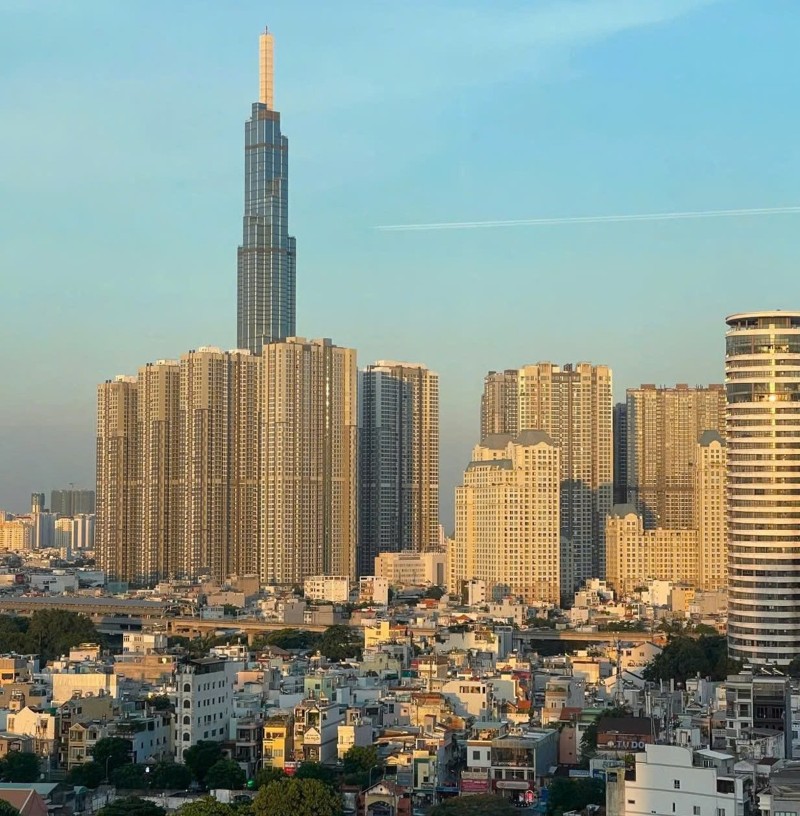
Ho Chi Minh City has officially approved a smart city development scheme for the 2026–2030 period, with a vision extending to 2045.
According to the scheme, the southern city aims to develop its smart city infrastructure based on a model of green growth and data-driven governance. By leveraging digital technology, the city intends to enhance the efficiency of state management, improve the quality of urban services, and boost both the residents' quality of life and the city’s overall competitiveness.
By 2030, the city targets a position among the top 50 smartest cities in the world. The scheme identifies citizens as the centerpiece of this development process, aiming to provide urban services that are transparent, convenient, and safe, while actively encouraging community participation.
By 2035, the city strives to become one of three national smart city operation centers, playing a key role in coordinating data, technology, and innovation.
By 2045, it aims to achieve the highest level of smart city maturity according to the National Sustainable Smart City Criteria. Simultaneously, it seeks to establish itself as a leading science, technology, and innovation hub within the Asia-Pacific region.
The scheme outlines nine fundamental principles for smart city development: ensuring legal compliance and unified management; placing citizens and businesses at the center; utilizing data as the foundation for development; ensuring interoperability, integration, and shared resources; guaranteeing information security and privacy rights; emphasizing the responsibility of leadership; implementing projects in a safe and controlled manner; following a roadmap aligned with available resources; and maintaining openness and flexibility while avoiding technological dependence.









 Google translate