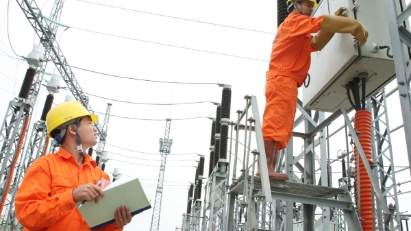
The rise mainly driven by increases in electricity and water prices amid higher demand during hot weather, as well as higher prices of construction materials, housing rents and petrol.
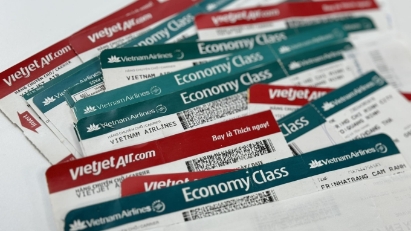
A recent inspection by the Civil Aviation Authority of Vietnam (CAAV) into airline ticket sales, pricing, and disclosures has found no violations of government regulations. However, the review highlighted inconsistencies in how airlines present fare information to consumers and a lack of awareness regarding promotional offers.
Vietnam's aviation authorities insist domestic airfares remain within regulated boundaries, even as airline profits soar and travelers grapple with escalating costs. However, this delicate equilibrium between profitability and affordability may be approaching its breaking point, jeopardizing the nation's aspirations to bolster domestic tourism.
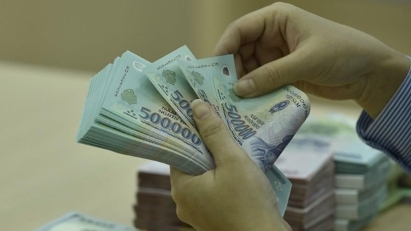
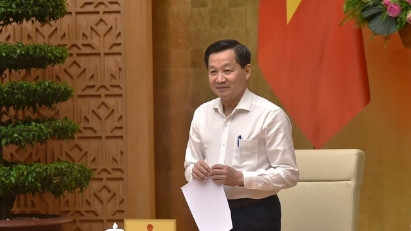
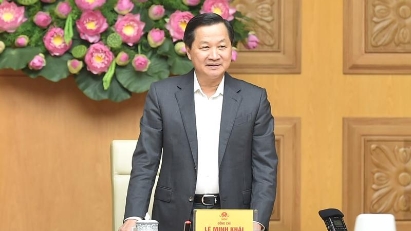
As economic storms rage worldwide, Vietnam's Deputy PM Le Minh Khai marshals forces to monitor price swings and deploy flexible strategies to rein in inflation within the 4-4.5% target for 2024.
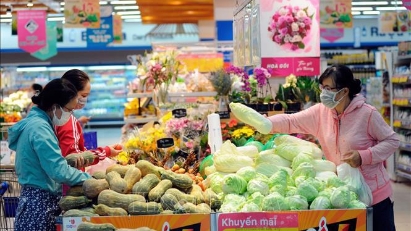
Food prices increased 2.3 per cent year-on-year in August; the highest rise since November 2020 and the fourth consecutive month of higher prices. Transport services increased 8.94 per cent year-on-year in the month; the lowest level since April. The Bao Viet Securities Company (BVSC) has forecast that annual inflation will come in at around 3.1-3.5 per cent.
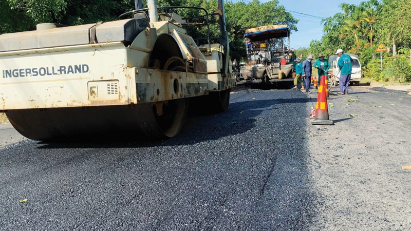
Addressing a seminar on August 12, the Chairman of the Vietnam Association of Road Traffic Construction Investors expressed concern over ongoing difficulties regarding materials, which have resulted in traffic project contractors, especially those in national key highway projects, facing the dilemma of losing money if they continue work but facing fines if they cease construction.
The Ministry of Finance (MoF) has issued Official Letter No. 7955/BTC-QLG to ministries, branches, people’s committees of cities and provinces, and corporations proposing that price management and stabilization be strengthened. Tasks proposed to be implemented include balancing the supply and demand of goods and services and actively advising authorities on stabilization.
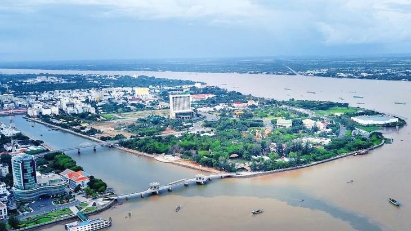
Real estate in the Mekong Delta has not been affected by price hikes and remains largely affordable. With transport infrastructure being boosted and regional links strengthened in terms of roads, waterways, and airways, capital for real estate will be disbursed gradually and improve money flows.
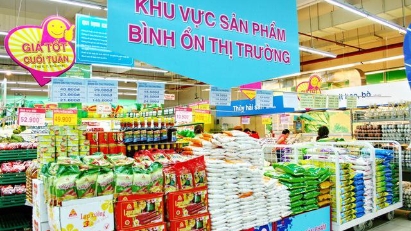
According to the Ministry of Finance, ten out of eleven groups of main consumer goods and services saw prices increase July and this will maintain pressure on inflation control over the remainder of the year. Some factors, however, ease that pressure, such as the supply of consumer goods being abundant along with ongoing and planned fiscal policies.
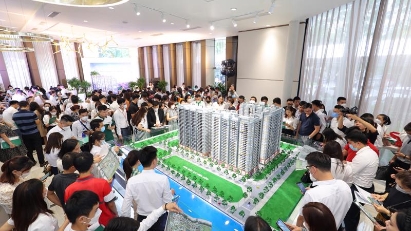
According to the Institute of Construction Economics at the Ministry of Construction, supply in all real estate segments was depleted in the first half of this year and prices continued to rise sharply for land plots, apartments, and villas.
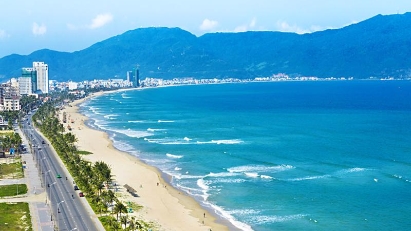
Central Da Nang city has reduced the price of commercial land by between 70 and 80 per cent and land for production and business by between 50 and 60 per cent. It will also auction 34 land plots this year with a total area of nearly 64 ha.
Many smartphone manufacturers and retailers have faced difficulties from social distancing and quarantining, and have sharply reduced prices to stimulate demand. Four of the top five brands imported into Vietnam saw falling growth during the second quarter of this year compared to previously.