


Tensions in Ukraine and the Middle East have exposed major vulnerabilities in Europe regarding energy disruptions, triggering one of the most severe energy crises in recent decades. Looking back, what do you believe is the most critical lesson the UK and European nations have learned regarding energy security?
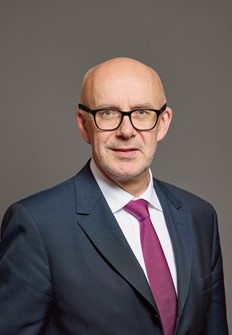
I think the most critical lesson is that all nations must make themselves more resilient in regard to energy. We can no longer rely on shipping fossil fuels around the world over the coming decades. Rather, we must move toward a system where energy is produced more locally, to ensure domestic resilience and autonomy, regardless of the generation method.
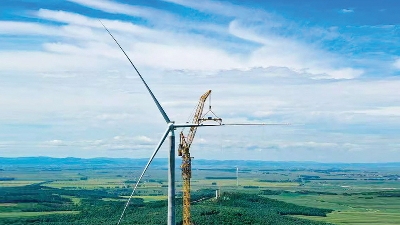
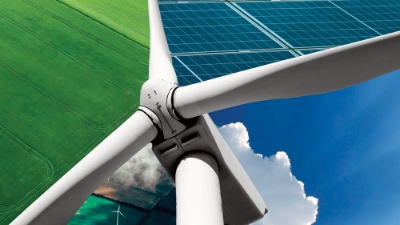
Given the visible impacts of climate change here in Vietnam and across Southeast Asia, this energy mix clearly needs to be more renewable and sustainable. Transitioning to local renewables also allows for better control over energy costs - which is crucial for supporting households and keeping businesses competitive. Ultimately, achieving this resilience requires investing in renewables, exploring nuclear energy through technologies like small modular reactors (SMRs) developed in the UK, and diversifying our overall energy mix.
The UK and Europe implemented a range of measures in response to the crisis, from diversifying energy imports and expanding LNG infrastructure to ramping up investments in renewables. Which of these strategies has proven most effective in enhancing long-term energy resilience, and why?
While oil and gas remain essential components of the current energy mix, transitioning to an entirely new system is not easy. This is particularly true for nations managing legacy energy infrastructure, meaning traditional sources will inevitably persist for some time.
Nevertheless, governments must actively incentivize the shift toward electrification - an area where the Vietnamese Government is already making notable progress. Success in this transition requires implementing the right policy incentives and rigorously planning grid infrastructure. This is precisely where the UK’s expertise can add significant value, particularly regarding regulatory frameworks and market mechanisms. By leveraging these instruments, nations can effectively accelerate their transition.
Vietnam is currently striving to balance energy security for rapid economic growth with its highly-ambitious, long-term climate commitments. Based on the UK and European experience over the past decade, I think the Just Energy Transition Partnership (JETP) program presents an incredibly vital framework. Vietnam possesses immense potential in this arena, particularly within the solar and offshore wind sectors.
Furthermore, drawing from my experience leading a delegation on railway development and Transit-Oriented Development (TOD), it is evident that the strategic approach used in transportation planning can be effectively mirrored in the energy sector. Ultimately, integrated infrastructure planning remains the absolute key to unlocking these capabilities.
You have previously described Vietnam as one of the UK’s most promising trade partners in Asia. From the UK Government’s perspective, how do you evaluate Vietnam’s ambition toward building an innovation-driven economy?
Vietnam possesses immense economic potential. The visit in October last year by a Vietnamese delegation to London, which included Party General Secretary and State President To Lam and approximately 200 ministers and businesses, marked a significant milestone in bilateral relations. The visit culminated in the signing of a Comprehensive Strategic Partnership alongside a wide range of MoUs, reflecting the deep synergies in how both nations perceive their roles on the global stage.
While Vietnam is currently experiencing remarkable, rapid economic growth, the UK - despite a lower overall growth rate - led the G7 in economic performance during the first quarter of 2026. Strengthening this strategic partnership will allow the UK to effectively support Vietnam’s ongoing growth trajectory while delivering mutual economic benefits to the UK.
Based on your engagements with the British business community, which sectors in Vietnam are currently attracting the greatest interest from UK companies and investors?
The development of the International Financial Center (IFC) remains a cornerstone of bilateral cooperation. The UK has been deeply involved in this major initiative since its inception, providing critical support in establishing the necessary financial and legal frameworks. This project is poised to create substantial opportunities for both the broader financial sector and the UK’s fintech industry.
Beyond financial services, energy and decarbonization across various infrastructure sectors represent immense areas of growth. Numerous UK enterprises are prepared to offer their expertise, particularly in supporting the Mass Rapid Transit (MRT) systems in Hanoi and Ho Chi Minh City to advance TOD and maximize urban efficiency. Coupled with ongoing collaborations in education, these diverse sectors underscore the vast potential for the UK to support Vietnam’s growth trajectory, signaling an exciting period ahead.
Many UK businesses operate in highly knowledge-intensive sectors like pharmaceuticals, healthcare, finance, and digital technology. In your investment dialogues, how critical is the issue of intellectual property (IP) protection for these companies?
IP protection is of paramount importance. Sectors such as life sciences, pharmaceuticals, and healthcare represent immense industries for the UK, backed by an expansive network of research organizations and higher education institutions that are recognized as global leaders. Given this foundation, robustly protecting IP is essential, particularly when collaborating with international partners to facilitate secure knowledge sharing.
Conversely, a distinct lack of respect for intellectual property rights in certain nations remains a serious concern. Establishing and enforcing global rules is vital; without them, the market risks degenerating into a chaotic “Wild West” environment. This regulatory void significantly diminishes the incentive to pour substantial capital into highly research-intensive products and services. Ultimately, in the absence of stringent protections, financial investment will inevitably retreat, making IP a highly critical focus area in the years ahead.
Vietnam can learn from the UK’s experience in commercializing research outcomes. In particular, a significant portion of this advancement will inevitably be driven through strategic collaboration and the efforts of research institutions. However, the core challenge lies in developing robust frameworks and an enabling environment that empower entrepreneurs and innovators - those who readily identify market opportunities - and providing them with a structured space to operate. Within this ecosystem, they must be able to seamlessly access capital and financing, which are essential to scaling a nascent idea into a genuinely successful commercial product or service.
This imperative ties back directly to the development of the IFC and its surrounding regulatory framework. In the absence of such clear-cut legal and financial structures, capital inflows will naturally diminish, as international investors will remain hesitant to commit funds due to heightened concerns regarding the security and protection of their investments.
Vietnam aims for exceptionally high growth in the years to come. What do you think is the most sustainable contribution and support the UK can provide to help Vietnam achieve this milestone?
Economic growth is driven not only by unlocking and unleashing innovative ideas but by the ability to translate those concepts into genuinely successful, commercially-viable businesses. Success hinges on effectively seizing these opportunities to build thriving enterprises.
In this regard, the UK’s most significant contribution will be its partnership with Vietnam to develop the necessary tools, skills, and regulatory ecosystems required to realize this transformative potential. By fostering such an environment, this collaboration will ultimately enable Vietnamese businesses to scale successfully both within the domestic market and on the global stage.





 Google translate