


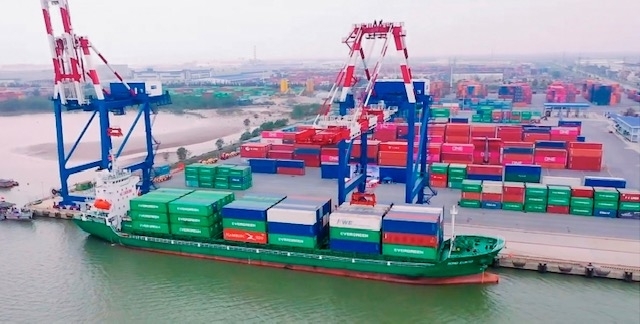
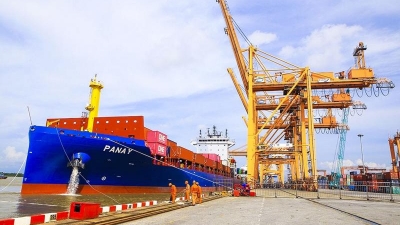
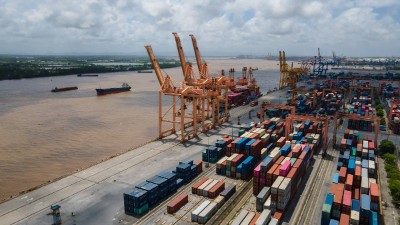
The Cai Mep Port Cluster in former southern Ba Ria-Vung Tau province, now Ho Chi Minh City, and Hai Phong Port in northern Vietnam, have once again secured places among the world’s top-performing container ports, according to the 2025 Container Port Performance Index (CPPI) released by the World Bank and S&P Global Market Intelligence.
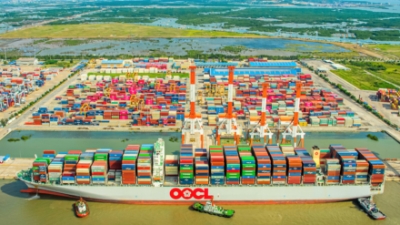
Cai Mep Port scored 122 points to rank 11th globally in container port performance, while Hai Phong Port also earned 122 points, placing 13th in the international rankings.
The two Vietnamese ports trailed only a select group of leading global hubs, including ports in Fuzhou, Dalian, Ma Wan, Xichuan, Ningbo and Hong Kong in China, as well as Salalah in Oman, Tanger Med in Morocco, Hamad in Qatar and Kobe in Japan.
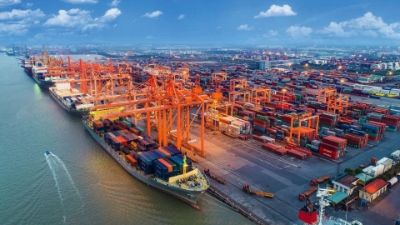
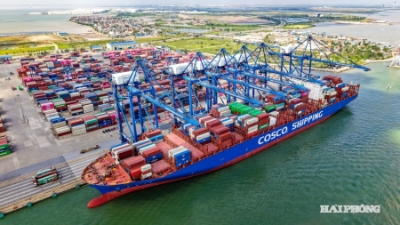
Notably, Hai Phong was among the world’s most improved ports between 2020 and 2025. Its CPPI score rose from 70 points in 2020 to 122 points in 2025, an increase of 52 points over five years. The achievement placed Hai Phong among the top 20 ports globally for performance improvement and ranked it sixth worldwide in terms of CPPI gains.
The strong results reflect Vietnam’s ongoing efforts to upgrade port infrastructure, modernize operations, expand digitalization and strengthen logistics connectivity. They also underscore the growing importance of Vietnam’s seaports in regional and global supply chains as the country continues to consolidate its position as a major manufacturing and export hub in Asia.
The CPPI is based on vessel-level data compiled by S&P Global’s Port Performance Program, combined with Automatic Identification System (AIS) tracking data and information reported by ports. Only vessel calls involving container handling are included in the assessment.




 Google translate