


Vietnam’s renewed commitment to nuclear power comes at a time when energy security, reliable electricity supply and the transition towards a lower-carbon economy are becoming increasingly important to its long-term development. Beyond meeting growing electricity demand, nuclear power could help support the expansion of high-tech manufacturing, artificial intelligence (AI), data centres and other industries that require stable, high-quality power supplies.
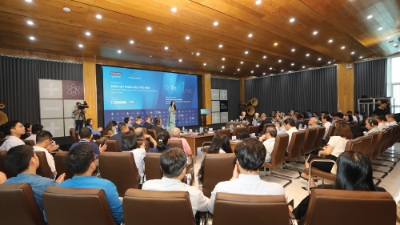
These issues were among the key themes discussed at the 11th Asia Nuclear Business Platform (ANBP) 2026, held in Hanoi from November 24 to 26, bringing together government representatives, regulators, utilities, technology providers and international nuclear industry experts to discuss the development and implementation of nuclear power programmes across Southeast Asia. Hosted by the Vietnam Atomic Energy Institute (VINATOM), the event focused on the transition from national nuclear ambitions and policy planning towards practical implementation, with particular attention to technology, financing, regulatory readiness, localisation and workforce development.
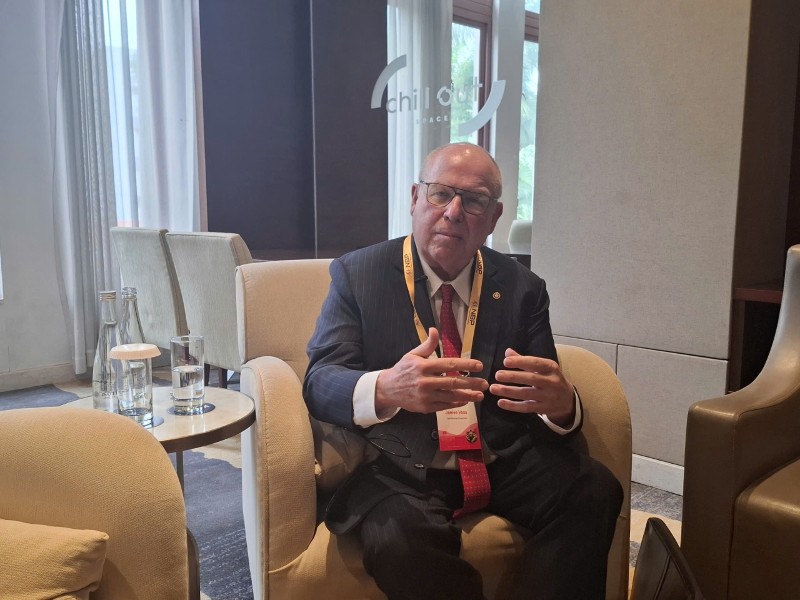
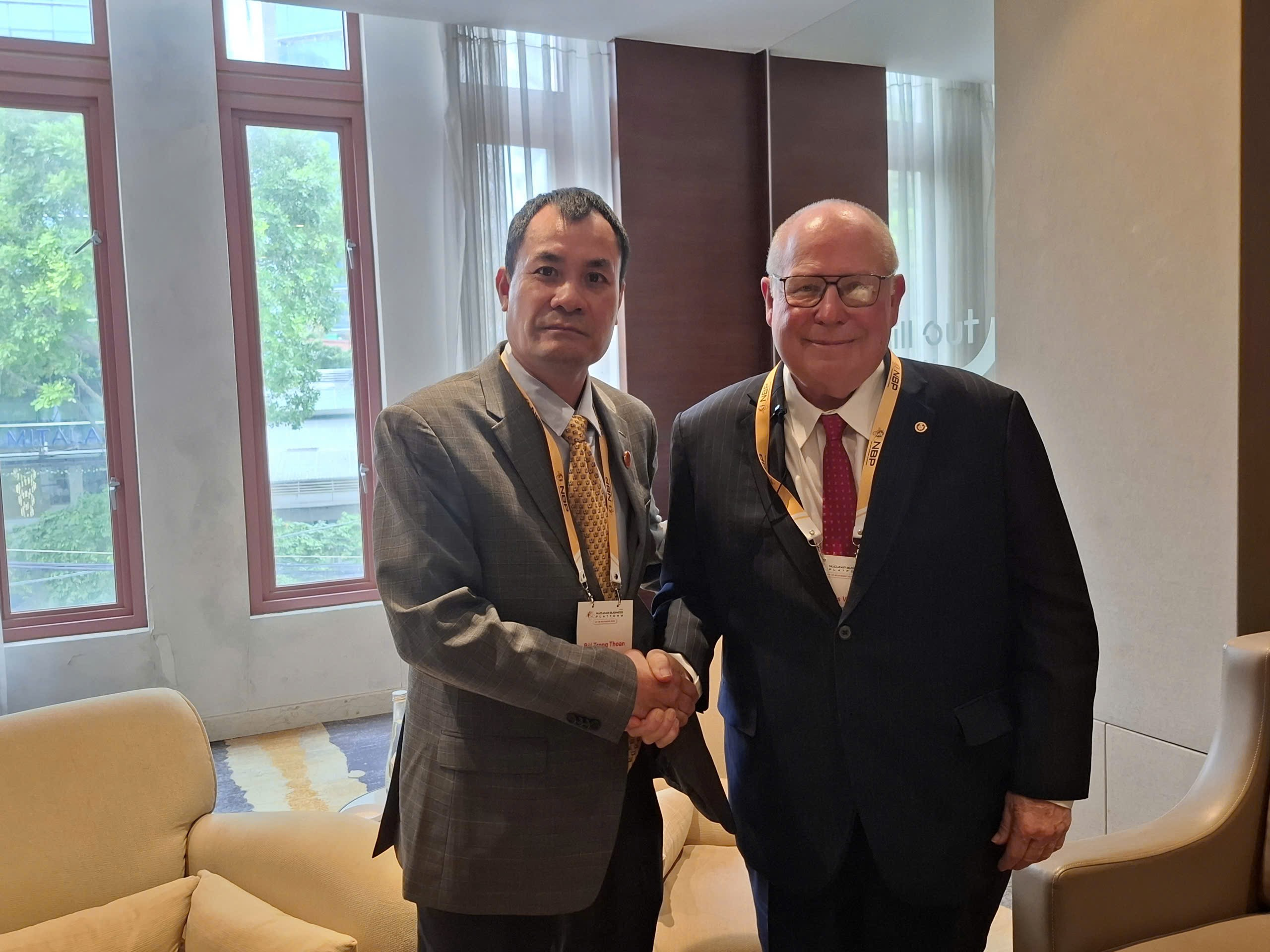
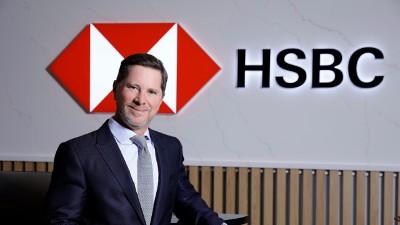
Against this backdrop, Vietnam Economic Times/VnEconomy conducted an exclusive interview on November 25 with Mr. James Wilson Voss, Vice President and Regional Director for ASEAN of EXCEL Services Corporation and General Director of EXCEL Services Vietnam JSC, on the opportunities and challenges facing Vietnam's nuclear power programme.
Founded in 1985, EXCEL Services Corporation is a US-based nuclear engineering, licensing, regulatory and policy consulting firm with experience supporting nuclear power programmes and operating facilities in the United States and internationally. Its services cover the entire nuclear project lifecycle, from feasibility studies, technology selection and programme planning to regulatory framework development, licensing, procurement support and implementation. The company also provides technical and institutional support to governments, regulators, utilities and nuclear project developers.
EXCEL expanded its presence in Vietnam in July 2026 with the establishment of EXCEL Services Vietnam. The company has identified workforce development, nuclear safety and regulatory capacity-building as important areas of cooperation with Vietnamese institutions. It has also established cooperation with the National Innovation Center (NIC) and Ho Chi Minh City University of Technology, while pursuing further partnerships with relevant government agencies and organisations.
In the interview, Mr. Voss emphasises that people are the most important foundation for Vietnam's nuclear ambitions. He also highlights the need to strengthen the independence and institutional capacity of the nuclear safety regulator, complete project designs before signing construction contracts, and create opportunities for Vietnamese businesses to participate in the nuclear supply chain.
He believes that Vietnam can draw on international experience to avoid cost overruns and implementation delays, while building a domestic workforce and industrial ecosystem capable of supporting the country's nuclear power programme over the long term.
The following is the full interview:
Vietnam is restarting its nuclear power program amid rapidly growing energy demand, particularly from high-tech industries, data centers, and AI. In your view, what are the biggest opportunities and challenges Vietnam faces in developing nuclear power in the coming years?
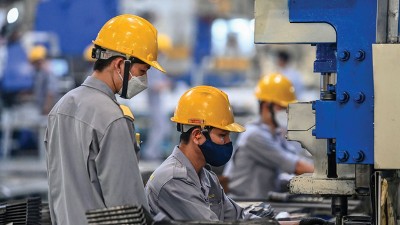
I think the biggest challenge Vietnam is facing is people. And the people that will be needed are at all working levels. These workers include, yes, nuclear specialists and procurement and engineers, but they also include welders and electricians who are certified at the nuclear quality control standards.
You have a great opportunity to train and bring them into the workforce and just recognize that what you're embarking on could last as much as a century. It's an exciting time.
Drawing on EXCEL Services Corporation's international experience in nuclear power programme development and consulting, what are the key conditions Vietnam needs to establish before implementing nuclear power projects? Beyond technology and financing, what critical factors are often underestimated but can ultimately determine the success of a nuclear power project?
Well, as I said, people is the number one item. You need to train and develop a workforce and make sure they have jobs and stay in the workforce.
The nuclear regulator, VARANS, is extremely important. VARANS' job is to independently enforce safety to the benefit of the people in the nation. And they need to be trusted and seen to be doing that job. They must execute fully.
I would say that the other international lesson that is brought from around the world is: complete the designs before you sign construction contracts.
This may sound simple, but in some of the cases where costs have gone way out of line, it is because they have executed contracts too early.
Small Modular Reactors (SMRs) are attracting growing attention worldwide as a new generation of nuclear technology. In your opinion, could SMRs be suitable for specific applications in Vietnam, such as industrial parks, high-tech zones, data centres, or locations with substantial and stable electricity demand?
Yes, very much so. Excel established a company here in Vietnam, which we cooperate through with the National Innovation Center (NIC). NIC represents the Ministry of Finance in the three government-owned high-tech parks.
We have been working with them, recognizing the essential need for high-quality energy in the parks. But it is not just IT and AI and data centers in this. Vietnam is preparing to build a massive rail system north to south. That is going to be an electric system. You could position micro-reactors along the way and actually assure that there is reliable power for that system.
You are constructing new airports in this country. Airports need power and it needs to be reliable, because otherwise your air system gets disrupted. There are many applications. It just needs to be done smartly.
The rapid development of artificial intelligence and data centres is driving demand for reliable, uninterrupted and low-carbon electricity. What role could nuclear power, particularly SMRs or microreactors, play in meeting these demands in Vietnam? Could behind-the-meter or on-site nuclear power generation be technically and economically viable?
Yes. The issue that NIC recognizes, as does the Ministry of Finance, is that Vietnam is in an international competition for foreign direct investment around data centers and AI.
Right now, other countries are winning that competition because they have higher-quality and more reliable electricity generation.
It is possible to construct a set of high-reliability, high-quality electricity supply systems specifically targeted at data centers and AI-type centers, which in turn causes foreign direct investment and economic development here within Vietnam. That's possible.
Vietnam aims to strengthen domestic industrial participation in the nuclear supply chain and gradually increase localisation. In which areas could Vietnamese enterprises participate in the nuclear value chain, including equipment manufacturing, construction, engineering, technical services, operations and maintenance? What standards and capabilities would Vietnamese companies need to meet to become qualified suppliers?
The nuclear supply chain is broken into two categories. One category is things that are important to nuclear safety. That requires the highest level of quality control and quality assurance.
Vietnamese manufacturers do not have this right now. If they chose to get into this, they would need to enhance their quality control systems and their manufacturing quality.
What isn't known very commonly is that half of the expenditures in nuclear plants are not nuclear safety related. Rather, they're simply high-quality construction and fabrication and manufacturing.
The thing that exists in Vietnam is some very high-quality systems: steel manufacturing, shapes, forging, electronic control systems, construction management, transportation.
There are a variety of functions that exist that Vietnam could participate relatively quickly in the nuclear supply chain.
To put this into specific context, Ninh Thuan 1 and 2 will have up to 40 billion U.S. in expenditure. At least half of that could be done by Vietnamese service providers and manufacturers.
EXCEL Services Corporation has extensive experience in nuclear engineering consulting, project management, safety, licensing and nuclear infrastructure development. Could you share which areas EXCEL Services is particularly interested in, or where the company could make concrete contributions to Vietnam's nuclear power programme in the coming years?
Everything that we focus on is about safety and training of people. We want to ensure that in years future, not only is everything that's done here done to the highest safety standard, but it's done in a manner that will continue.
That is, there are men and women in the workforce who are trained, highly capable, and work forward in the future of the nuclear sector. That's what we're focused on, and that's what we're working with multiple agencies and organizations.
We have signed agreements with VINATOM and with NIC, with multiple universities. Similarly, we're in the final stages of negotiating support agreements with VARANS (Viet Nam Agency for Radiation and Nuclear Safety). So everything we're doing is about sustainable safety.
For a country embarking on nuclear power development, building strong regulatory capacity, licensing frameworks and an independent safety workforce is essential. Based on your experience, what should Vietnam prioritise in developing a nuclear safety regulatory system that meets international standards and builds public confidence as well as investor confidence?
VARANS (Viet Nam Agency for Radiation and Nuclear Safety) needs to be supported at every level. Its capacity and organizational scale need to be strengthened, and it needs highly trained and skilled professionals working across multiple levels. VARANS must be able to act as an independent regulator.
This is fundamental to Vietnam’s nuclear strategy and ambitions. If the regulator is not ahead of the project developers, developers will not have a clear understanding of the standards they are required to meet. The regulator therefore needs to be fully prepared and stay ahead of the developers.
VARANS needs all the support it can get. We are working with several governments to identify ways to assist the agency, but this remains a significant challenge for Vietnam.
Some countries have successfully developed nuclear power programmes, while others have experienced project delays, cost overruns and management difficulties. What key lessons from international nuclear power projects should Vietnam take into account to minimise risks when implementing its first nuclear power projects?
This is a really good question. The challenges that have resulted in major cost overruns initially is first of a kind. The first time you build a nuclear plant, it gets too expensive. It takes too long.
That's part of it. But part of it also is how cleverly the contracts are written and when they're written. If I wrote a contract to buy a new automobile, I can look at that automobile and drive it home. If I write a contract to, say, design and build me a new automobile, it's going to take a lot longer and it may be very expensive. So what needs to be done here is contract smartly.
Vietnam has significant major project experience. And even though it's not nuclear, the lessons that come out of that regional contract experience will tell them they have to know when to write their contracts. That's what has to be done to avoid these major cost upsets.
If you were advising the Vietnamese Government and its energy sector today, what are the three most important actions you would recommend Vietnam take over the next three years to ensure that its nuclear power programme can move from policy ambition to successful implementation?
Three things, right? First, people. You have to train, select, and keep incredibly good men and women in key jobs; Second, the regulator, VARANS, needs to be stood up; And third, I'll put it very simply: embrace quality and integrity.
That will win in this industry.




 Google translate