


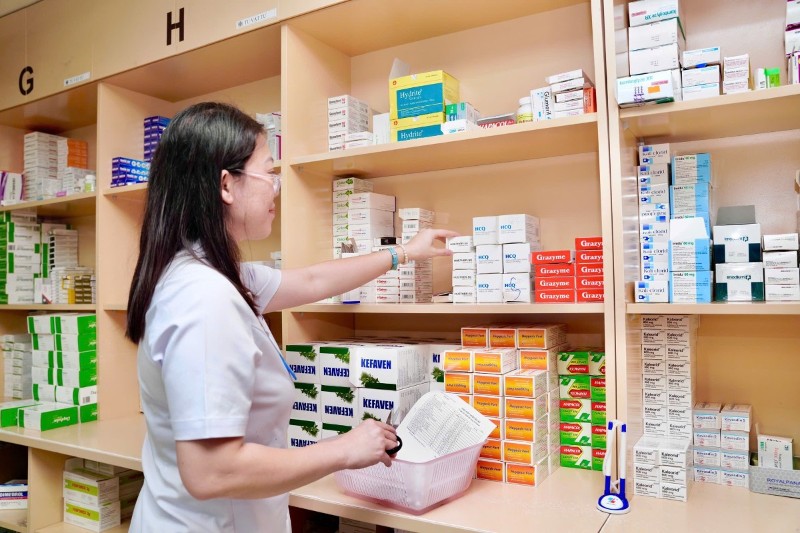
Vietnam’s pharmaceutical market has reached a scale of approximately $7 billion, with average drug consumption hitting $70 per capita—a several-fold increase compared to previous years, according to Mr. Vu Tuan Cuong, Director General of the Drug Administration of Vietnam.
Alongside this growth in scale, the country’s drug production, business, and supply systems have expanded significantly. Good Practice (GXP) standards in manufacturing, testing, storage, and distribution are being implemented with increasing depth and rigor.
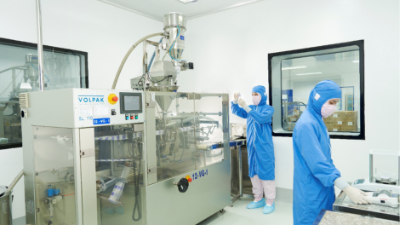
Many enterprises have proactively invested in technological innovation and production capacity, gradually adopting advanced international standards and mastering various complex dosage forms.
Notably, domestically produced medicines now account for about 60% of the total volume and 46% of the total value of drugs used in the country. This reflects the domestic pharmaceutical industry’s growing capability to meet the nation’s healthcare needs.
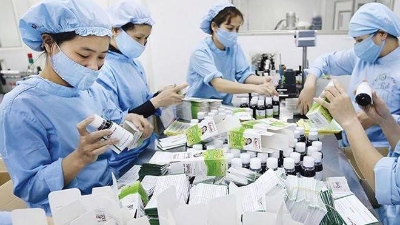
Manufacturing capacity has also seen a clear transformation. The country currently has 245 pharmaceutical manufacturing facilities, 26 of which meet EU-GMP or equivalent standards. Several companies have successfully mastered the production of specialized and high-tech medicines, enabling their products to enter markets with strict regulatory requirements.
By 2025, 67 pharmaceutical companies exported drugs and raw materials totaling approximately $312 million, placing Vietnam fourth in Southeast Asia for pharmaceutical exports. Additionally, the technology for producing 22 brand-name (innovator) drugs has been, or is currently being, transferred from multinational pharmaceutical corporations to local manufacturers.
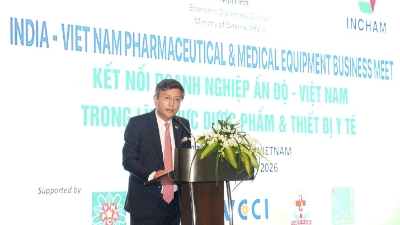
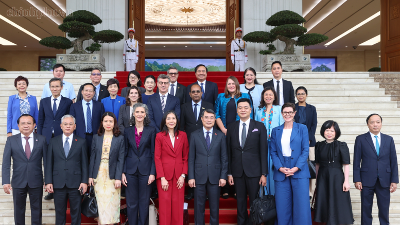
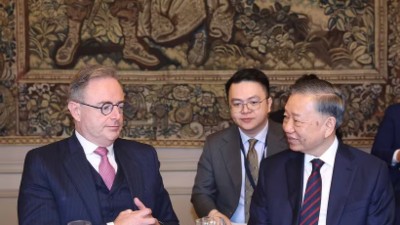
Vietnam currently maintains cooperation in the pharmaceutical field with 64 countries and has signed numerous Memoranda of Understanding (MoUs) at the ministerial level with nations including Russia, Belarus, Uzbekistan, South Korea, China, and North Korea. The country also maintains regular policy dialogue mechanisms with international business associations such as the US-ASEAN Business Council, AmCham, EuroCham, and InCham.
Speaking at a ceremony held recently to celebrate the 30th anniversary of the pharmaceutical sector’s establishment (August 13, 1996 – August 13, 2026), Minister of Health Dao Hong Lan emphasized that the industry is entering a new stage of development.
The National Strategy for the Development of Vietnam's Pharmaceutical Industry to 2030, with a vision to 2045, aims to elevate the sector to the level of advanced countries in the region. The strategy focuses on ensuring public access to medicine at reasonable costs while enhancing research, production, and technology transfer capabilities within the industry.





 Google translate