


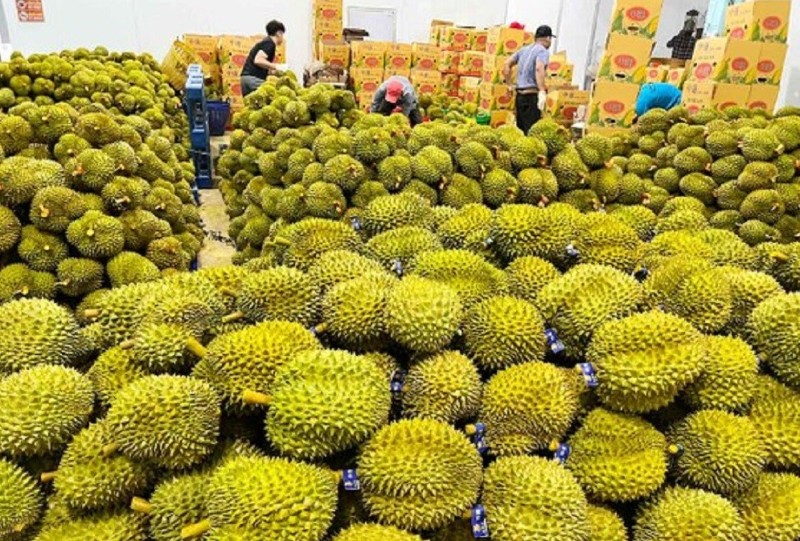
Some 178 types of Vietnamese plants and plant products are currently authorized for import into Taiwan (China), spanning various categories from fresh produce to breeding materials, the Vietnam Economic and Cultural Office in Taipei reported.
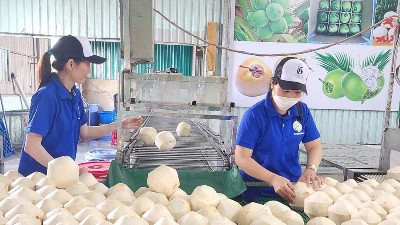
According to the comprehensive list on the quarantine system of the agricultural regulatory agency in Taiwan (China), these permitted items include fresh fruits, seeds, vegetables, seedlings, cut flowers, ornamental plants, and propagation materials.
The growing presence of Vietnamese agricultural products in the Taiwanese market is attributed to several favorable factors. including geographical proximity, short shipping times, and significant similarities in culinary culture.
Furthermore, Taiwan (China)'s own agricultural land is relatively limited and frequently impacted by typhoons, leading to an unstable supply of certain vegetables. These conditions have created opportunities for Vietnamese vegetables, spices, and other agricultural products to gradually establish a firm foothold in the market.
Despite the vast potential for export expansion, several of Vietnam's key fruit exports—including mangoes, longans, lychees, pomelos, rambutans, and bananas—are not yet permitted for entry. This is due to pending pest risk assessments and incomplete market opening procedures.
To more effectively tap into the Taiwanese market for authorized products, the trade office advises businesses to proactively develop standardized raw material areas and implement safe production processes. This includes strictly controlling the use of pesticides and fertilizers, strengthening traceability, and regularly updating themselves on Taiwan (China)’s plant quarantine and food safety regulations. Such measures are essential to minimizing risks and enhancing the overall competitiveness of Vietnamese produce.





 Google translate