



Marketers today have access to more data, platforms, creators, and technology than ever before, yet creating advertising that genuinely resonates with consumers remains a growing challenge despite this abundance of tools.
At the MMA Creative Summit 2026, industry leaders argued that while platforms, algorithms, and AI are reshaping how brands communicate, they should not distract marketers from a fundamental truth: people do not connect with technology, they connect with stories. As brands race to keep pace with changing consumer behavior and digital trends, the real competitive advantage may lie not in mastering the latest platform but in rediscovering the creativity, empathy, and human insight that make advertising memorable.
Story first, platform second
As consumer attention fragments across an ever-expanding array of digital platforms, marketers face increasing pressure to tailor content to the unique characteristics of each channel. Yet experts believe that while platform-specific execution is essential, it should never come at the expense of strong storytelling.
Mr. Alexander Reid, Director and Co-Founder of Amplify, emphasized that marketers should begin by defining the desired outcome before selecting a platform. Whether the objective is driving purchase intent, encouraging sharing, or building emotional connection, the platform should serve the idea rather than dictate it.
Different channels excel at different tasks, he noted. TikTok, for example, lends itself to creator-driven engagement and participation, while Instagram remains a powerful vehicle for aesthetics and brand awareness. The challenge is ensuring that platform choices are guided by strategic objectives rather than the other way around.
At the same time, many brands have fallen into the trap of treating platforms as creative shortcuts. Mr. Indraneel Guha, Co-Founder and Strategic Planner at KI Saigon, told the Summit that marketers and agencies have become too reliant on repurposing the same creative assets across multiple channels.
Rather than developing platform-native storytelling, many campaigns simply recycle a television commercial into multiple formats, often with disappointing results. This approach has contributed to an oversupply of forgettable content, despite the creative opportunities that digital platforms were originally expected to unlock. “The platform should be empowering creativity, not replacing it,” he said.
For Ms. Chi Truong, Vice President Marketing and CSD & Marketing Capability Lead at Suntory PepsiCo Vietnam Beverage, consumer understanding remains the starting point. Successful campaigns begin with a deep understanding of consumers’ motivations, aspirations, and fears before creative ideas are translated into platform-specific executions.
She explained that while a core brand idea remains consistent, its expression varies significantly across channels. On TikTok, storytelling may be trend-driven and fast-paced, while Facebook requires a different content structure and outdoor advertising depends heavily on visual impact. The underlying consumer insight remains unchanged, but the storytelling evolves to match audience behavior on each platform.
Ms. Luu Hong Anh, CPG Industry Lead at Google, echoed the view that platforms are more than simply engagement channels. Consumers often behave differently across platforms, moving between multiple digital environments throughout the day. As a result, marketers must understand not only where audiences are, but also the mindset they bring to each platform. Strong consumer insights remain critical, but no longer guarantee success. What matters increasingly is the ability to translate those insights into platform-native experiences without diluting the original brand story.
Mr. Guha cautioned that campaigns often lose coherence as they move through increasingly fragmented marketing teams and production processes. In many cases, he argued, brands begin by thinking about platform requirements rather than narrative quality, leading to content designed to fit algorithms instead of engaging audiences.
Drawing a comparison with filmmaking, he suggested that marketers should focus on script and story before considering execution. Too often, brands reverse the process, asking what will work on TikTok before determining what story is worth telling. Consumers, he noted, do not open social media platforms to watch advertisements. “They’re going on there to be entertained,” he said. “They’re going on there to get personalized stories.”
In an era of increasingly sophisticated algorithms, audiences expect content that feels relevant, authentic, and engaging. Brands that fail to deliver those experiences risk becoming invisible, regardless of media investment.
Ms. Hong Anh added that while insight and strategy may account for much of a campaign’s success, marketers must also develop a deeper understanding of platform mechanics. Knowledge of algorithms, user behavior, content formats, and platform-specific features can significantly improve creative effectiveness when combined with strong strategic foundations.
Chasing virality
The pursuit of virality has become one of marketing’s most persistent obsessions. Yet brands often misunderstand what makes content spread in the first place.
For Mr. Guha, the path to creating viral content begins by abandoning the goal of virality altogether. Instead of asking whether a campaign will trend, marketers should focus on whether the story is compelling enough to move people emotionally. If the creative fails to resonate with those who produce it, he argued, there is little reason to expect audiences to respond differently. “A lot of what we create doesn’t move us,” he said. “Why would it compel someone who’s watching it?”
The rise of social platforms has created unprecedented opportunities for brands to communicate in ways that feel less like advertising and more like entertainment. Yet many marketers continue to produce conventional advertising formats, even as audiences increasingly avoid overt promotional content.
Ms. Chi suggested that genuine trends emerge not through sheer influencer volume but through authentic consumer participation. While brands often focus on activating large networks of key opinion leaders and influencers, she argued that lasting cultural relevance comes when consumers themselves choose to engage with and share an idea because it reflects something meaningful to them. Authenticity, rather than amplification alone, remains the foundation of sustainable engagement.
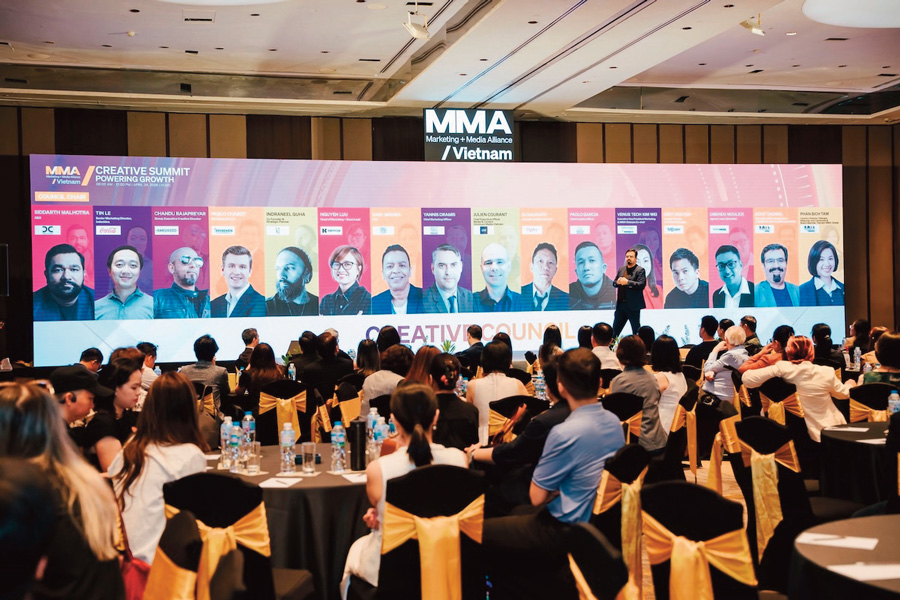
In this context, defining clear outcomes before selecting channels, technologies, or creative approaches, is crucial. According to Mr. Rohit Dadwal, CEO and Board Director of MMA APAC, data and technology are increasingly accessible to all brands, making them poor sources of competitive differentiation on their own. Compelling creativity, emotional storytelling, and a strong creator ecosystem are becoming the factors that distinguish successful campaigns from the rest.
That debate naturally extended to AI, one of the most prominent topics shaping the future of marketing. Mr. Reid argued that AI can significantly improve creative execution when brands have a clear understanding of their objectives. Once marketers know the audience action they want to drive, AI can help multiply creative assets and accelerate production.
Without strategic clarity, however, the technology merely produces larger volumes of undifferentiated content. “If you’re not specific on what you want the outcome to be, you’re just making AI slop,” he said.
Mr. Reid also challenged brands to rethink how they work with creators. Too often, he suggested, creators are treated primarily as media channels or distribution partners rather than as storytellers in their own right.
Instead of tightly controlling every aspect of a campaign, brands should provide creators with clear objectives and allow them to develop narratives that feel authentic to their audiences. Because creators build communities through personal connection and storytelling, they are often better positioned to translate brand messages into content that resonates.
Ms. Hong Anh similarly rejected the notion that AI will replace marketers. Rather than becoming a substitute for human creativity, technology serves as an accelerator that enables marketers to execute ideas more efficiently and at greater scale.
She pointed to a Mother’s Day campaign developed with Unilever that combined social listening, AI-powered personalization, and real-time content creation. Technology enabled the brand to generate and distribute highly-customized messages rapidly, but the campaign’s success still depended on a strong strategic idea and coordinated execution. In her view, technology functions as a catalyst rather than a creator.
But not all industry experts were equally optimistic. Mr. Guha warned that much of the industry’s current use of AI is driven by cost reduction rather than creative enhancement. Agencies and brands, he argued, increasingly deploy technology to streamline production and reduce headcount rather than improve storytelling. If that trend continues unchecked, he suggested, the industry risks prioritizing efficiency over originality, potentially undermining the very creativity that drives long-term brand value.
Ms. Chi offered a more balanced perspective. While AI has dramatically increased production speed and reduced costs, she described it as a reflection of existing strategy rather than a source of breakthrough ideas. The technology can accelerate execution, test assumptions, and generate multiple creative versions, but it cannot replace the empathy required to understand consumers and build meaningful emotional connections. That responsibility, she argued, remains fundamentally human.
A common conclusion arises: neither virality nor AI should be viewed as objectives in themselves. Both are tools that can amplify a strong idea, but neither can compensate for the absence of one. As brands race to adopt new technologies and chase the next viral moment, a simple principle was highlighted: great marketing still begins with a story worth telling.
Bringing humanity back
In the race to optimize for platforms, algorithms, and performance metrics, marketers may be losing sight of the people behind the data, and becoming increasingly disconnected from those they aim to reach.
For Mr. Guha, the industry’s growing dependence on dashboards, analytics, and social listening tools has come at the expense of genuine human understanding. “We need to get out of our offices and meet people,” he believes.
Marketers, strategists, and creative teams, he continued, spend too much time interpreting consumer behavior through screens and datasets, often reducing audiences to demographic segments and behavioral metrics. While data can reveal what people are doing, it rarely explains why they are doing it. That distinction, he argued, is where meaningful storytelling begins.
Earlier in his career, spending time with consumers, traveling, and observing everyday life was considered an essential part of the creative process. Today, however, readily available data often replaces direct interaction, encouraging brands to develop campaigns based on assumptions rather than lived experiences. The result is content that may be optimized for performance metrics but lacks emotional resonance.
Ms. Chi echoed the need for a shift in mindset. Instead of focusing exclusively on campaign metrics, she urged marketers to think more deeply about the change they hope to create in consumers’ lives. Too often, success is defined by impressions, reach, or engagement targets. While those metrics remain important, they should not become the primary objective. The more meaningful question, she suggested, is what impact a campaign leaves on the people it reaches.
Drawing on her own experience as a former brand marketer to reinforce the point, Ms. Hong Anh said that during her time working on consumer brands, regularly meeting shoppers and speaking directly with retailers and street vendors formed a core part of the job. Those interactions often generated insights that no dashboard could provide.
She argued that agencies and marketers should invest more effort in understanding consumers at a human level and less time trying to predict the next trend. One recent example she highlighted was Grab Vietnam’s campaign celebrating its ten-year presence in the country. The campaign featured a series of stories tailored to different stakeholder groups, from drivers and merchants to consumers, creating personalized narratives rooted in authentic experiences. That kind of work demonstrates what becomes possible when brands start with human understanding rather than platform mechanics. “Stop being obsessed with technology, and start talking more to people,” she said.
As traditional advertising continues to lose ground to creator-led content, marketers are rethinking how creators fit into the brand-building process. Mr. Reid argued that many brands still misunderstand the value creators bring. Rather than involving creators at the end of a campaign as distribution channels, marketers should engage them much earlier in the creative process.
The challenge, he noted, is learning to relinquish a degree of control. That issue naturally led to a discussion at the Summit about brand safety and governance. While brands must establish clear boundaries and protect their reputation, panelists agreed that excessive control often undermines the very authenticity that makes creator-led content effective.
Ms. Chi stressed that creators need flexibility within clearly defined frameworks. Audiences on platforms such as TikTok respond to authenticity and personal storytelling rather than highly polished corporate messaging. Attempting to dictate every word or creative decision ultimately reduces effectiveness.
Mr. Guha went further, suggesting that brands rethink how they manage creator partnerships altogether. Rather than working with large numbers of creators on short-term projects, he advocated for building deeper, long-term relationships with a smaller group of trusted partners. Just as brands invest in long-term ambassadors, they should identify creators who genuinely align with their values and audiences and empower them to become part of the brand’s ongoing narrative.
In an era defined by automation, optimization, and constant technological change, the challenge facing marketers is not simply how to reach consumers, but how to understand them. While platforms and technologies will continue to evolve, the ability to uncover human truths and translate them into compelling stories remains the industry’s most enduring competitive advantage.








 Google translate