


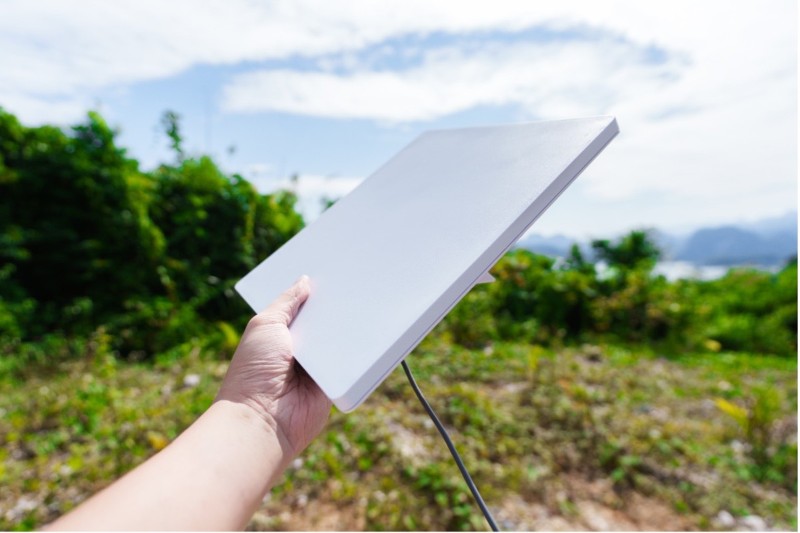
Viettel Telecom officially launched Starlink satellite internet services in Vietnam on November 26, introducing an additional connectivity option alongside existing fibre-optic broadband and 4G and 5G mobile networks.
According to Viettel, the service uses Low Earth Orbit (LEO) satellite technology, enabling customers to establish internet connections quickly without installing cables or building telecommunications infrastructure at their locations. Under suitable conditions, download speeds can exceed 400 Mbps, with latency ranging from 20 to 50 milliseconds.
The service targets mountainous areas, islands and remote locations where terrestrial telecommunications infrastructure is difficult to access. It can also serve fishing vessels operating offshore, cargo and tourist ships, offshore oil rigs, construction sites and temporary event venues.
Viettel said satellite internet could also provide backup connectivity for businesses, factories, healthcare facilities and control centres. During natural disasters, storms, floods and landslides that disrupt ground-based networks, the service could help maintain communications, transmit real-time images and support emergency response operations.
The launch follows a commercial cooperation agreement signed between Viettel Telecom and Starlink Services Vietnam on September 21, 2026.
On November 16, 2026, Hanoi's Department of Science and Technology issued a lincence, authorising Viettel Telecom to provide telecommunications services nationwide without its own network infrastructure by reselling services supplied by Starlink Services Vietnam.







 Google translate